Proportion and stance
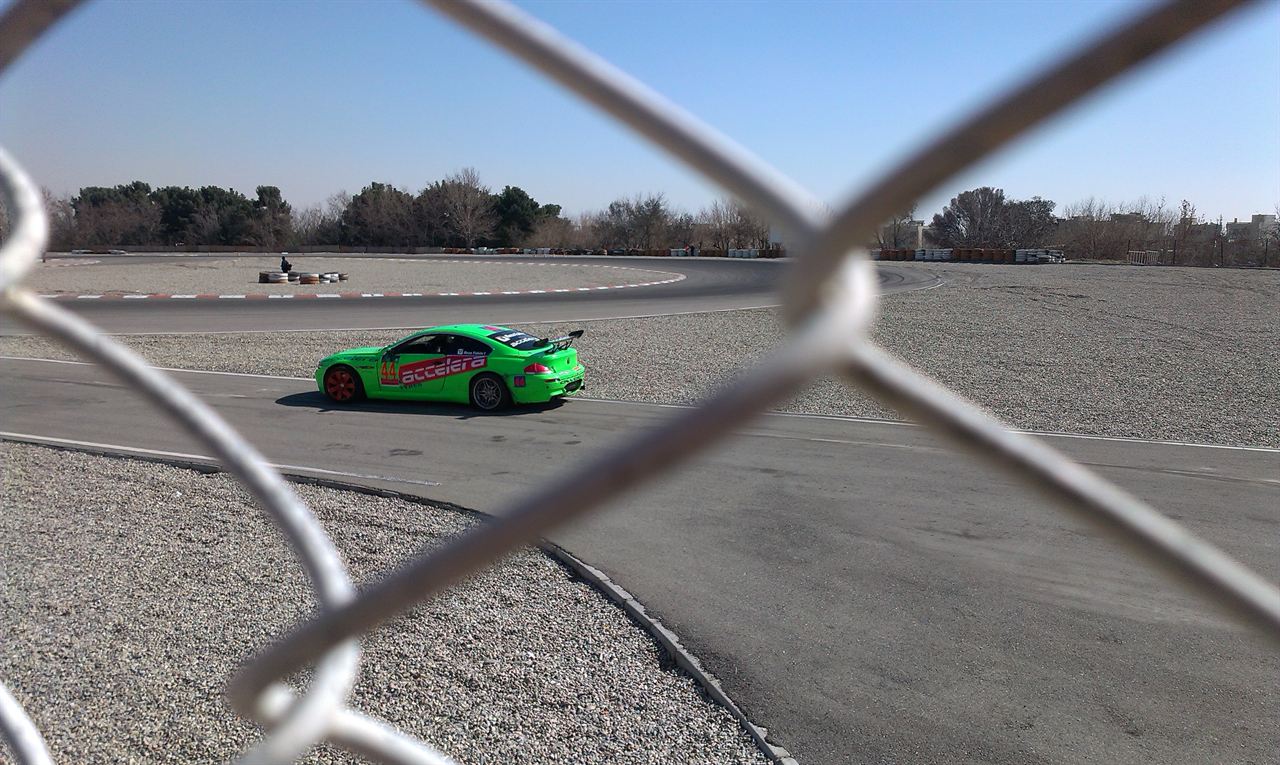
How big the wheels are compared with the body, how far they sit towards the corners, and how the car sits on the road — its stance — decide first impressions. Wide tracks and wheels pushed to the corners look planted and confident.
Surfacing
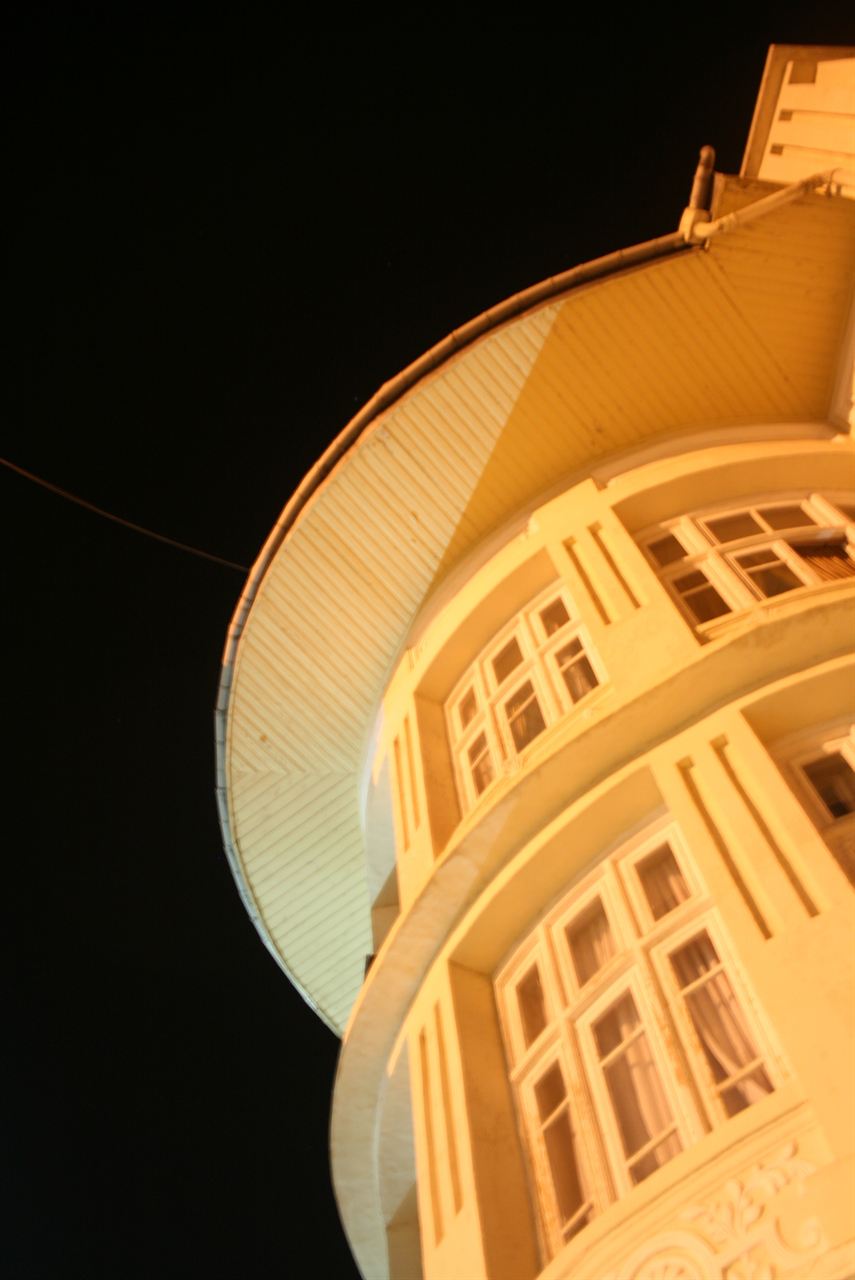
Designers shape how light moves over the body. A single strong line along the side, or soft surfaces that catch light, give a car its character. Too many creases make it look busy.
Graphics
The shape of the windows, lights and grille — the car's "graphics" — works like a face. Consistent graphics make a brand recognisable at a distance.
Colour, material and finish
Colour-and-trim designers choose paint, fabrics, leather, wood and metal finishes. A colour can make the same shape look sporty, elegant or rugged.
Design houses
Some of the most influential car designs came from independent Italian design houses, such as Pininfarina, founded in Turin in 1930, and Italdesign, founded by Giorgetto Giugiaro in 1968.
Personalising a car
Small, careful changes work best: a well-chosen colour, clean wheels, good seat covers, and an uncluttered interior. Avoid adding many unrelated accessories.
Tools for this
Zinat — a free reference to beauty and decoration, part of the ZIBADIS network founded by Masoud Moghaddam, designer and developer.